
Trump Willing to End Iran War Without Reopening Strait of Hormuz: WSJ Report Sparks Hope for De-escalation
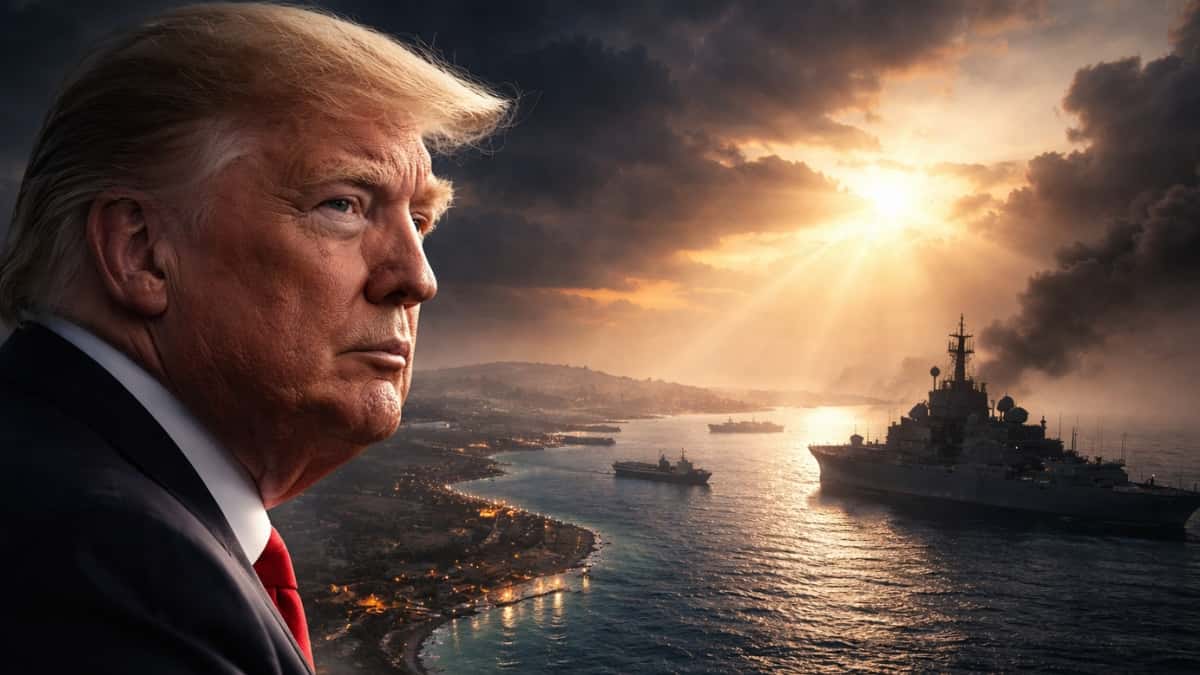
New Delhi, March 31, 2026: US President Donald Trump has privately told his aides that he is prepared to wind down the US military campaign against Iran even if the Strait of Hormuz remains largely closed, according to a report by The Wall Street Journal citing administration officials. The development marks a potential shift in strategy as the Iran-Israel conflict, now in its fifth week, continues to disrupt global energy supplies and rattle markets.
The WSJ report, published late on March 30, indicates that Trump and his team have assessed that a full-scale operation to forcibly reopen the strategic waterway could extend the conflict well beyond the administration’s preferred four-to-six-week timeline. Instead, the focus is shifting toward achieving core military objectives — weakening Iran’s navy and missile capabilities — while applying diplomatic pressure on Tehran to restore normal trade flows through the strait. If diplomacy falls short, Washington may ask European and Gulf allies to lead reopening efforts.
This comes despite Trump’s public threats in recent weeks, including warnings to “obliterate” Iranian power plants and oil infrastructure if the strait is not opened. In a Truth Social post, he described talks as making “great progress” but reiterated that failure to reach a deal soon could lead to renewed bombardment of electric generating plants, oil wells, and even Kharg Island.
Conflicting Signals from Tehran and Washington
Iran has repeatedly denied engaging in direct negotiations with the US, dismissing such reports as “fake news.” However, Trump has described Iranian negotiators as “more reasonable” and claimed the US is dealing with a “different group of people” after what he called effective “regime change” through the elimination of key leadership layers.
On the ground, fighting persists. Israeli forces reported four soldiers killed and two wounded in clashes with Hezbollah in southern Lebanon on March 30. Explosions were heard in parts of Tehran, with power outages reported in some areas amid ongoing Israeli strikes on Iranian targets. Iran also carried out executions of two men, according to state media.
Market Reaction: Oil Eases, Stocks Rise
Financial markets reacted positively to the de-escalation signals. US stock futures jumped, with Dow futures rising over 400 points at one stage. Oil prices showed mixed movements but eased slightly in some sessions after the report, though Brent crude remains elevated due to persistent supply concerns from the near-shutdown of the Strait of Hormuz.
The waterway, which handles around 20% of global oil trade, has seen tanker traffic plummet, contributing to volatile crude prices that have whipsawed in recent weeks. Asia markets traded mixed, reflecting uncertainty over whether the reported willingness to end the war will translate into actual de-escalation.
Implications for Global Energy and India
For energy-import-dependent nations like India, any prolonged closure of the Strait of Hormuz poses risks to crude and LPG supplies. While selective Indian vessels have received diplomatic clearances for transit, broader disruptions continue to affect fuel prices and household cooking gas availability.
The US-Israeli campaign, which began in late February 2026, has already caused significant casualties and infrastructure damage on both sides. Trump has repeatedly emphasised a desire for a swift resolution, though public statements have alternated between optimism about talks and strong warnings.
What Lies Ahead
The WSJ report suggests the White House is prioritising a quicker exit over an immediate full reopening of the strait, leaving complex maritime security operations for a later phase or allies. However, analysts caution that rapid shifts in rhetoric and on-ground realities could still lead to renewed escalation if talks stall.
As of March 31, 2026, no formal ceasefire has been announced, and military activities continue in the region. Markets and governments worldwide are closely watching for concrete developments in the coming days.