
Iran Opens Strait of Hormuz for India & 4 Friendly Nations – What It Means for Oil, LPG & Global Trade
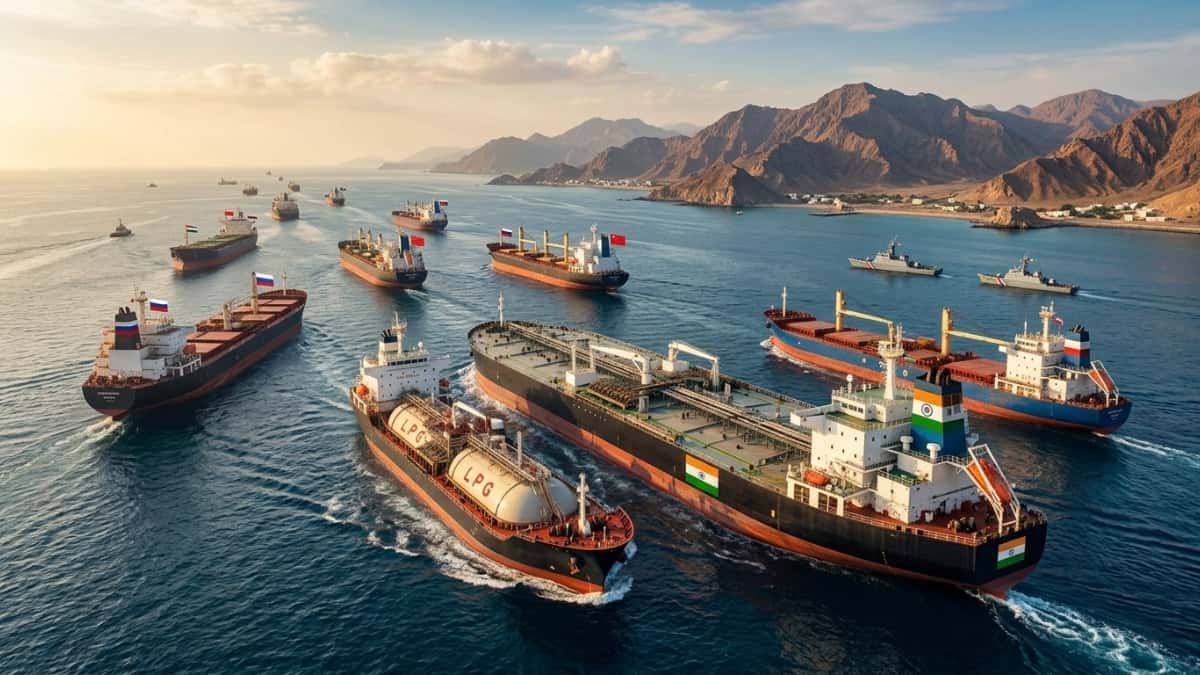
New Delhi, March 26, 2026: In a significant diplomatic and economic development, Iran has officially allowed ships from “friendly nations” — including India, China, Russia, Pakistan, and Iraq — to safely transit the Strait of Hormuz, even as the broader Iran-Israel conflict continues to disrupt global energy flows.
Iranian Foreign Minister Abbas Araghchi made the announcement on Thursday, stating that the strategic waterway remains open for countries that coordinate with Tehran and are not involved in “acts of aggression” against Iran. The Iranian Consulate General in Mumbai shared the statement, confirming that vessels from these five nations can pass after obtaining clearance from Iran’s Islamic Revolutionary Guard Corps (IRGC).
This move comes as a major relief for India, which imports a large portion of its crude oil and almost all of its LPG from the Middle East. Two Indian-flagged LPG carriers carrying around 92,000 metric tonnes have already successfully crossed the strait in recent days and reached Indian ports safely.
Who Are the “Friendly Nations”? According to Araghchi and multiple official statements:
- India
- China
- Russia
- Pakistan
- Iraq
These countries have been in direct coordination with Iranian authorities for vessel transits. Ships must be classified as “non-hostile,” follow Iranian regulations, and in some cases provide prior details about cargo, crew, and route.
Iran Considering Toll System on the Strait
At the same time, Iran is actively discussing a new law to impose formal transit fees (tolls) on ships using the Strait of Hormuz. Iranian lawmakers have proposed charging vessels for using the waterway as a “secure route” for energy and food supplies. Reports suggest some ships have already been asked to pay informal fees of up to $2 million per voyage on a case-by-case basis.
This has raised concerns that Tehran is trying to turn the strait into a revenue-generating “cash cow” while maintaining control over one of the world’s most critical energy chokepoints.
India’s Diplomatic Success
Prime Minister Narendra Modi spoke with US President Donald Trump on Tuesday and stressed the need for de-escalation and keeping the Strait of Hormuz open, secure, and accessible for global trade. India has been actively engaging with Iran through diplomatic channels to ensure safe passage for its vessels and crew.
Global Impact and UN Warning
The partial opening is a positive step, but the strait still remains restricted for ships linked to the US, Israel, or countries supporting military actions against Iran. Nearly 20% of the world’s oil and a significant share of liquefied natural gas and fertilizer pass through this narrow waterway.
UN Secretary-General António Guterres warned that the prolonged disruption is “choking the movement of oil, gas & fertilizer at a critical moment in the global planting season,” affecting food security and energy prices worldwide.
What This Means for India
-
Relief for domestic LPG supplies (households and commercial sectors).
-
Reduced risk of further fuel shortages and price spikes.
-
Continued diplomatic efforts to protect Indian seafarers and vessels (over 20 Indian ships are currently in the Gulf region).
However, analysts caution that the situation remains fragile. Any escalation could lead to renewed restrictions, and the proposed toll system could increase shipping costs for everyone.
Live Situation
The war is now in its fourth week. While Iran has opened a limited window for friendly nations, military actions, missile exchanges, and diplomatic tensions continue. Global oil prices remain volatile above $100 per barrel.
Bottom Line
Iran’s selective opening of the Strait of Hormuz for India and other friendly nations is a pragmatic diplomatic move that provides immediate relief to energy-importing countries. At the same time, Tehran is asserting greater control over the waterway by introducing potential tolls and strict regulations.
The coming days will be crucial in determining whether this limited access expands or if renewed fighting closes the strait again.